
Boost Content with Kitchen Storage Vintage Principles
 June 11, 202626 Minutes
Meta description: Use vintage kitchen storage principles to organize podcast assets, streamline production, and build a brand system with Flexwork Studios.
URL slug: /kitchen-storage-vintage-content-system
Primary keyword: kitchen storage vintage
Secondary keywords: vintage kitchen storage, content organization, podcast production studio
Your Brand's Kitchen. From Content Clutter to Creative Clarity.
A lot of creators are working in the content equivalent of a messy kitchen. Audio files live in one drive, thumbnails in another, draft captions in your notes app, and your best clips disappear into a folder called “final-final-2.” Then you wonder why publishing feels harder than creating. It's not a talent problem. It's a systems problem.
That's why kitchen storage vintage style is such a useful metaphor. The best old kitchens weren't built around noise. They were built around rhythm, access, and tools that earned their place. Your brand needs the same logic. If you want content that feels premium and repeatable, you need a setup that turns ideas into usable assets without chaos. That's the core task of what is content strategy.
Flexwork Studios helps creators build that system. Not just a place to record, but a smarter operating model for podcasts, reels, shorts, websites, and launch-ready brand assets. Here are seven vintage kitchen storage ideas that translate directly into better content operations.
1. The Hoosier Cabinet
Before built-in kitchen cabinetry arrived in the 1920s, homeowners relied on Hoosier cabinets, and an early verified steel kitchen cabinet date appears in 1926. That matters because the Hoosier cabinet was a compact command center. It kept flour, tools, spices, and prep surfaces in one hardworking unit. No wasted motion. No guessing where things lived.
Your brand needs that same all-in-one logic. Most podcasters don't fail because they lack ideas. They stall because production is scattered across too many people, too many apps, and too many handoffs. Recording is separate from editing. Editing is separate from graphics. Graphics are separate from promotion. Every gap drains momentum.
Build one operating center
Treat your content system like a Hoosier cabinet for the modern creator. One home for strategy, production, editing, asset delivery, and distribution planning. That's how you stop recreating your workflow every week.
A founder recording a leadership podcast doesn't need fifteen disconnected vendors. They need one reliable environment where the episode gets captured well, the clips get cut cleanly, and the visuals stay on-brand. If you're producing in New Jersey, a content creation studio near me solves more than location. It solves fragmentation.
Practical rule: If one episode requires you to chase five people for files, your system is broken.
There's a useful parallel in product data too. A centralized structure makes teams faster and more consistent, which is why brands often look to systems thinking in resources like how PIM drives e-commerce growth. Content works the same way. Centralization isn't glamorous, but it's how polished brands publish without panic.
Flexwork's value sits right there. Studio, production support, editing, motion graphics, websites, and growth support can live under one roof. That's not just convenient. It protects your brand voice from getting diluted at every step.
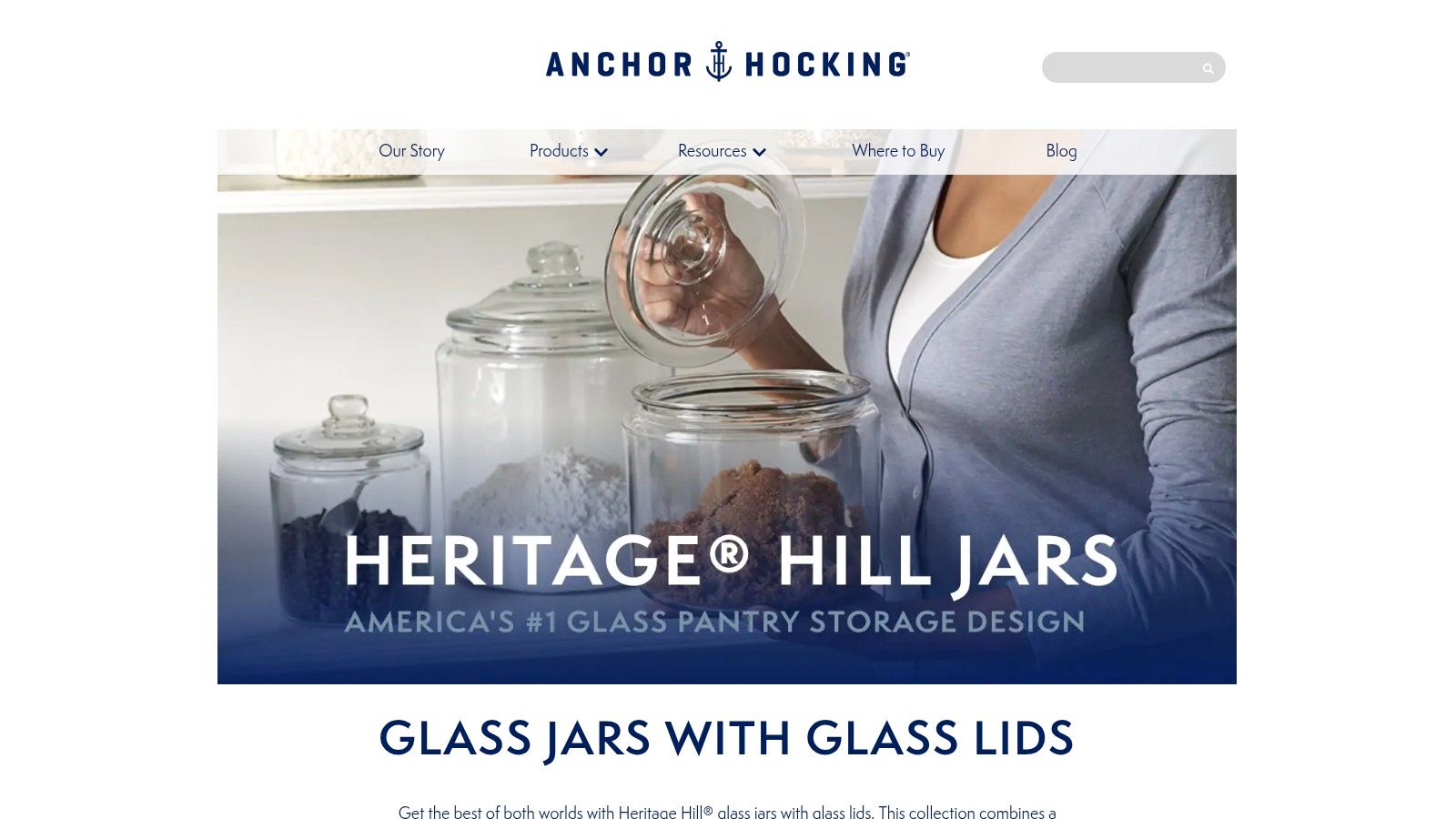
2. The Glass Jar Pantry
A glass jar pantry does something open shelving rarely does. It removes mystery. You can see what you have, what you're low on, and what's usable right now. That visibility is what most creators are missing.
Your assets should be just as legible. Raw footage. Clean audio. B-roll. Host photos. Guest headshots. Approved logo files. Intro and outro variations. Thumbnail templates. If those elements aren't organized, your team spends more energy searching than publishing.
Make every asset visible
Think about the difference between a founder who says, “I know we filmed something for this,” and one who can pull a polished clip, matching stills, and a quote card in minutes. The second brand looks bigger because it operates better.
Here's the practical setup:
- Create source folders: Keep raw audio, multicam video, selects, and approved exports separate.
- Label by episode and use case: Name files for discovery, not memory. “Episode-guest-name-vertical-clip-1” beats “new cut final.”
- Store brand essentials together: Logos, fonts, lower thirds, color references, and cover art should live in one approved library.
Vintage kitchen storage often wins because it combines beauty with utility. That's part of why products in this space are sold as functional decor, not just nostalgic objects. The Vintage Market Kitchen Island includes 6 drawers, shelves, and casters, and that combination tells you exactly what buyers value. Dense storage, visible access, and mobility.
Your content library should work the same way. Organized enough to support daily production, attractive enough that your team wants to use it.
A podcast team at Flexwork can turn one recording day into a usable archive instead of a pile of disconnected exports. That transparency is what makes content feel scalable.
3. The Utility Rail
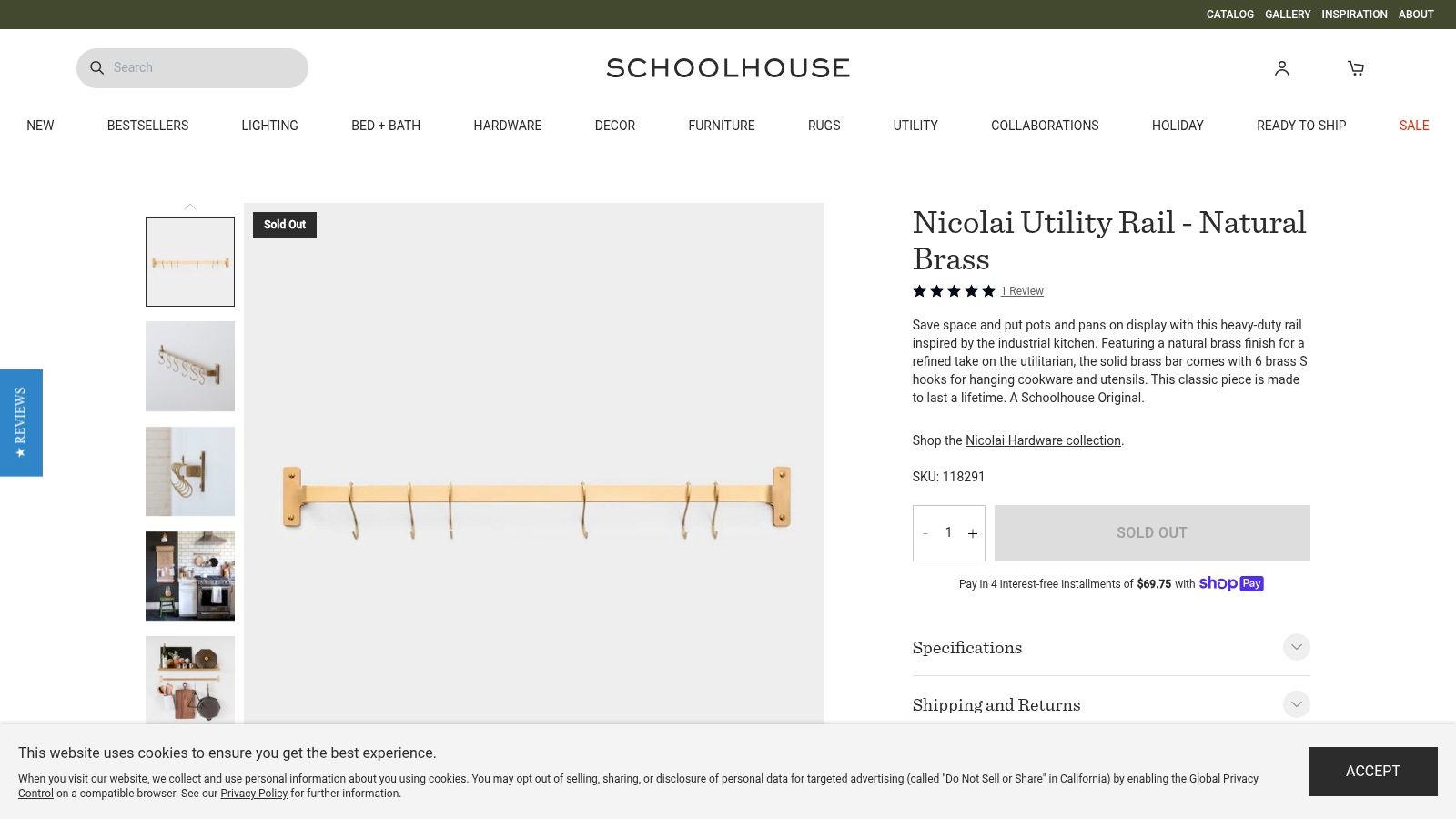
Some of the smartest vintage kitchens use a simple rail with hooks. Ladles, pans, strainers, and mugs stay within reach because they're in rotation. The rail isn't decorative first. It's a speed tool.
Your repurposing system should work exactly like that. A long-form episode is not a single asset. It's the source cut for your whole week, sometimes longer. The problem isn't that creators don't make enough. It's that they don't hang the best pieces where they can grab them fast.
A business coach might record one strong conversation on pricing, then fail to turn it into reels, quote graphics, blog snippets, email copy, and guest-pitch material. That's leaving finished ingredients in the pantry.
Here's the visual shorthand for the idea:
Slice the roast properly
The best repurposing starts before you hit record. You need segmentable conversations, clear transitions, and moments built for extraction. That's why a lot of DIY content feels impossible to reuse. It wasn't captured with repurposing in mind.
Use a simple rail system for every episode:
- Anchor clip: Pull the strongest insight for a short-form video.
- Support clips: Cut secondary moments for follow-up posts.
- Text assets: Turn sharp phrases into captions, quotes, and carousels.
- Platform variants: Resize and package the same idea for each channel.
A great episode is a master ingredient, not a one-time meal.
Flexwork already breaks down this exact publishing logic in its guide on how to repurpose a single podcast episode into 10 pieces of content. The point isn't to flood feeds with filler. It's to extract the full value from a professionally recorded conversation.
If you want an adjacent example outside podcasting, the same thinking shows up in strategies for newsletter content repurposing. Good systems don't ask each asset to start from zero. They build once, then redeploy with purpose.
4. The Recipe Box
Every well-used recipe box tells the same story. Somebody tested what worked, wrote it down, and kept using it. That's what your growth playbook should be. Not a vague intention to “post more,” but a repeatable set of moves your team can execute without drama.
Most creators run their shows like improvisational cooking. One week there's a guest promo graphic. The next week there isn't. Some episodes get an email. Others vanish after posting. You don't need more hustle. You need recipes.
Write the process down
A recipe box for your brand should include launch-day templates, guest outreach emails, thumbnail rules, clip-selection criteria, and your posting cadence by platform. It should also define what happens before recording, during production, and after the episode goes live.
A clean playbook often includes:
- Episode prep: Topic framing, talking points, guest briefing, visual references
- Production standards: Camera framing, audio checks, wardrobe notes, intro format
- Publishing sequence: Full episode, clips, email, blog, social cutdowns, follow-up promotion
- Performance review: What themes got response, what hooks landed, what to repeat
If your team can't hand the process to a producer or assistant and get a similar result, the system still lives in your head. That's expensive.
Scripting matters more than creators like to admit. A sharp framework gives the final edit shape and gives your marketing team clean moments to package. Flexwork's guide on how to write a podcast script is useful because it treats structure as a growth tool, not as creative handcuffs.
Add this image to the metaphor and it becomes obvious:
Flexwork's more involved support becomes powerful here. If you don't want to run every moving piece yourself, the Market, Manage & Produce My Podcast service starts at $1500 per episode with a 20-episode growth commitment. That's for creators who are done guessing and ready to install a real operating system.
5. Enamelware
Vintage enamelware lasts because it was made for regular use, not fragile display. It can look charming on a shelf, but its real value is endurance. Your evergreen content should have the same standard.
Not every episode deserves to be evergreen. Some are timely reactions. Some are trend responses. Fine. But every serious brand needs a durable body of work that still makes sense months from now. Founder story episodes. Signature frameworks. Deep-dive explainers. Clear answers to your audience's most common questions.
Build assets that outlive the week
A financial educator might create a definitive episode on cash flow basics. A wellness founder might publish a foundational conversation about habits and burnout. A creative agency leader might record the origin story that explains why clients trust their process. Those aren't disposable posts. They're long-life assets.
Broad category growth won't carry you. In the U.S. kitchen furniture market, average household spending was just over $50 in 2023, only about $3 more than 16 years earlier. The strategic takeaway is useful even outside furniture. Mature categories reward differentiation, not noise. The brands that stand out don't look louder. They look more considered.
Strategic takeaway: Timely content gets attention. Evergreen content builds authority that keeps paying rent.
Flexwork is built for this kind of durable brand work. A studio-quality founder interview, a polished educational series, or a signature thought-leadership episode can become the backbone of your website, your social clips, your guest pitches, and your sales process. Their storytelling guide on how to create compelling content that captivates your audience is a reminder that longevity starts with narrative clarity, not volume.
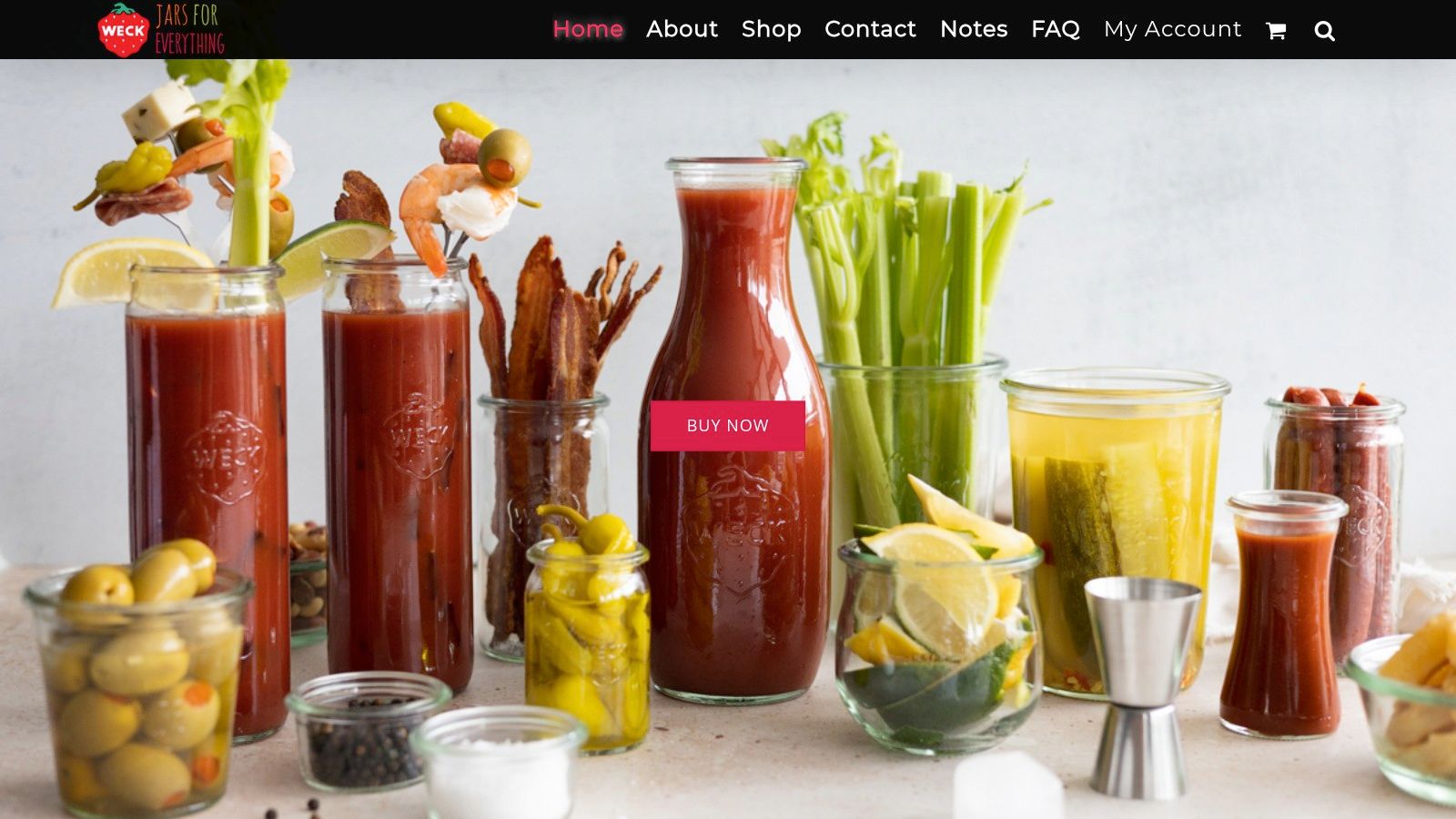
Here's the visual cue:
6. The Bread Box
A bread box has one job. Protect the staple. Keep it fresh, accessible, and worth reaching for every day. Your brand's staple is its core message. If that message goes stale, even good content starts to feel forgettable.
Many podcasts drift. The show art says one thing. The website says another. Social bios use different language. Clips feel stylish, but no one can tell what the brand stands for. You don't have a visibility problem. You have a freshness problem.
Protect the daily essential
Your audience should be able to answer three questions fast. Who is this for? What will I get from it? Why should I trust it? If your digital presence doesn't answer those clearly, your message is sitting uncovered on the counter.
For creators who need a serious brand home, Flexwork's podcast websites are priced at $5000 plus hosting. That matters because your website isn't a vanity project. It's the bread box. It protects your archive, sharpens your positioning, and gives every episode a place to live beyond the feed.
Older kitchens often create another useful metaphor here. Decorative ideas are easy. Functional solutions in awkward spaces are harder. One of the most overlooked gaps in vintage kitchen storage content is making vintage-style organization work in irregular older kitchens with odd angles, tight clearances, and limited wall space, a challenge noted in small-kitchen storage ideas for older layouts. Brand systems work the same way. The ultimate test isn't the clean template. It's whether your message holds up across messy realities like guest episodes, launch weeks, social cuts, and website copy.
A strong bread box makes your core positioning harder to spoil.
7. The Spice Rack
The spice rack isn't where the bulk lives. It's where the character lives. Cinnamon, smoked paprika, red pepper, dill. Small pieces, big effect. That's your micro-content library.
Short clips, behind-the-scenes moments, one-line opinions, quick educational cuts, visual stingers, cold opens, reaction moments. None of these replace your core content. They season it. They keep your feed feeling active without forcing you to cook from scratch every day.
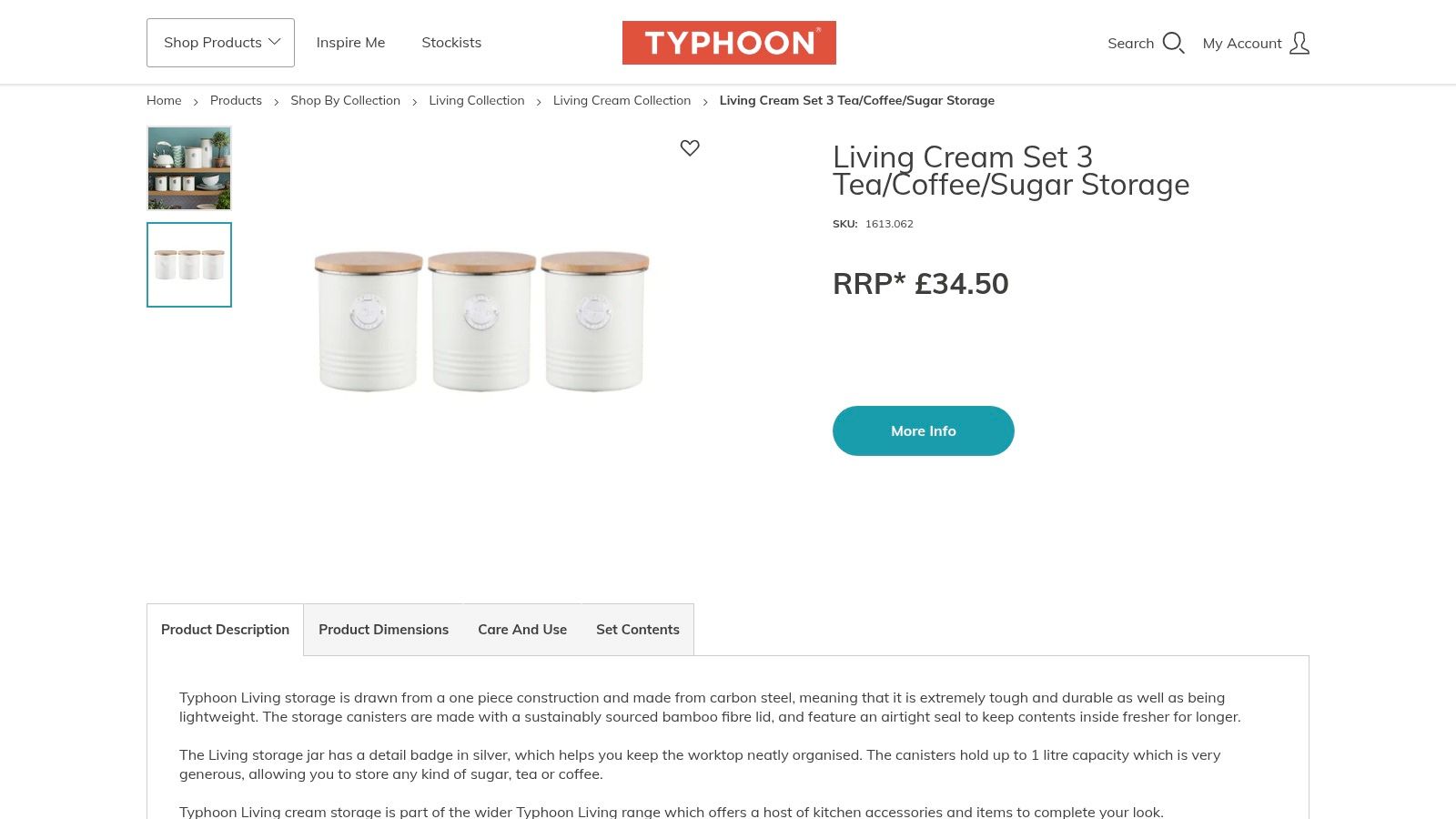
Here's the visual reference:
Keep flavor within reach
A well-organized spice rack makes social content easier because you can match the right asset to the right moment. If a trend breaks, you should be able to find a short clip that fits. If a guest says something sharp, you should be able to package it quickly with motion and captions.
Content Days become a highly effective strategy. Flexwork offers Content Days at $3000 per day, including 20 edited reels or 60 pro photos. That gives creators a concentrated session for building the kind of micro-content library most personal brands never have time to create on their own.
Use that asset bank intentionally:
- Educational spices: Quick tips, definitions, myth-busting clips
- Personality spices: BTS moments, candid takes, host reactions
- Visual spices: Motion graphics, branded intros, animated text, transitions
Small assets don't feel small when they're organized. They become your fastest route to relevance.
If your social presence needs more polish, Flexwork's guide on how to create motion graphics shows why movement matters. The right animation can turn a solid quote into a stop-scroll asset. That's what a spice rack does for a dish. It sharpens what's already there.
Vintage Kitchen Storage, 7-Item Comparison
| Item | Implementation complexity | Resource requirements | Expected outcomes | Ideal use cases | Key advantages |
|---|---|---|---|---|---|
| The Hoosier Cabinet: Your All-in-One Content System | High, full-service integration across production, marketing, analytics | High, ongoing budget and vendor commitment (e.g., $1500/ep + 20-episode commitment) | End-to-end, brand-aligned content pipeline and consistent output | Brands/creators wanting a turnkey production + growth partner | Unified workflow, reduced vendor management, consistent brand execution |
| The Glass Jar Pantry: Achieving Total Asset Transparency | Moderate, focused capture and organization session | High one-time investment (e.g., $3000/day studio/content day) | Large, searchable library of ready-to-use assets | Teams needing many high-quality assets quickly (campaigns, seasonal content) | Asset visibility, faster production, agility in content deployment |
| The Utility Rail: A System for Effortless Repurposing | Low–Moderate, requires mapped repurposing workflow and editing rules | Moderate, editing resources and strategy time | Many micro-assets from a single core episode; maximized reach | Creators who want to multiply content across platforms efficiently | Efficient content reuse, higher ROI per recording, broader distribution |
| The Recipe Box: Your Playbook for Repeatable Growth | Low, documentable processes and templates | Low–Moderate, time to create checklists, templates, outreach systems | Repeatable, predictable promotion and audience-building outcomes | Shows seeking scalable growth and consistent launches | Repeatability, reduced planning friction, predictable results |
| Enamelware: Durable, Long-Lasting Evergreen Content | Moderate–High, deep planning and premium production | High, investment in production quality and studio time | Long-term traffic, authority, and ongoing discoverability | Thought leadership, cornerstone episodes and guides | Longevity, sustained value, authority building |
| The Bread Box: Keeping Your Core Message Fresh | Moderate, design and engineering of a central website/hub | High, custom site cost + hosting (e.g., $5000+) | Cohesive brand presentation and better listener conversion | Shows needing a polished central home and conversion optimization | Consistent brand experience, improved listener retention/conversion |
| The Spice Rack: Organizing Your Micro-Content Flavor | Low, simple process during editing to extract short clips | Low–Moderate, minor additional editing/storage effort | Rapid social posting and timely engagement with minimal new creation | Social-first brands and teams responding to trends daily | Quick access to micro-content, increased agility, personality on feed |
Build a Brand That Lasts
A beautiful vintage kitchen isn't valuable because it looks charming in photos. It's valuable because it supports years of making, serving, adjusting, and repeating. That's the right standard for your content operation too. You don't need a pile of disconnected assets. You need a working system that makes strong ideas easier to produce, easier to reuse, and easier to trust.
Kitchen storage vintage style offers a surprisingly sharp lesson for modern brands. The best setups combine beauty with placement, density with clarity, and flexibility with routine. Your podcast, video series, and social presence should do the same. A polished brand doesn't come from random bursts of inspiration. It comes from infrastructure.
That's where Flexwork Studios stands apart. If you're stuck in DIY burnout, they don't just hand you a room and wish you luck. They offer studio rentals for efficient recording, production packages for creators who want polish without managing every detail, Content Days for batch creation, and podcast websites that give your show a proper home. For brands serious about audience growth, their higher-touch services add the strategic layer most creators never build for themselves.
The bigger point is simple. Stop trying to be the chef, line cook, dishwasher, producer, editor, designer, and marketer at once. That's not ambition. That's overload. A professional content system lets you stay in the role you're best at while the right partner protects the quality of the final product.
If you're building a show in the NJ/NY metro area, Flexwork gives you the infrastructure to create at a higher level and publish with less friction. That's how you turn scattered effort into a body of work that feels premium, coherent, and built to last. Book a tour, explore the production options, and build a brand kitchen that finally works like it should.
If you're ready to trade content clutter for a premium production system, book a tour at Flexwork Podcast Studios. You'll get a clearer recording process, stronger brand assets, and a studio partner that helps your podcast look and sound like the business you're building.