
Creator’s Guide to Hoboken Live Music: 7 Top Venues
 May 7, 202628 Minutes
It happens after a technically strong recording day. The episode sounds clean, the set looks sharp, and the edit is on brand, but the story could have come from anywhere. For creators working in Hoboken, that usually means the production missed the city itself.
Hoboken live music gives you a practical fix for that problem. A good room gives you more than a band in the background. It gives you crowd texture, artist access, reaction shots, walk-and-talk intros, and the kind of local specificity that makes an episode feel reported instead of manufactured. Hoboken also has real musical depth, from long-running local scenes to the legacy documented by the Hoboken Museum’s musical heritage exhibition.
For podcasters, filmmakers, and brand teams, the opportunity is straightforward. Capture energy on location, then finish the piece in a controlled studio environment where the dialogue, pacing, graphics, and delivery can hold up across platforms. That workflow matters because live venues give you atmosphere, but they rarely give you clean audio, controlled lighting, or a reliable place to record sponsor reads and pickup lines.
Flexwork fits the production side of that handoff. Teams can bring back field material for cleanup, editing, motion graphics, reels, and distribution prep. If the plan is larger than a single episode, a Content Day is $3000/day and includes 20 edited reels or 60 pro photos. The Market, Manage & Produce My Podcast service starts at $1500 per episode with a 20-episode growth commitment. Podcast website production starts at $5000 plus hosting for creators who need a stronger home base for discovery and conversion.
If you are building around weekend programming, this creator’s guide to Hoboken events helps map the broader calendar around your shoot.
One productive night can give you a guest conversation, ambient B-roll, vertical clips, stills, and a polished studio episode that feels tied to Hoboken.
A useful creator-side resource for artists planning their own promotion is this link-in-bio for music artists.
The opportunity inside Hoboken’s nightlife
Hoboken isn’t just active. It’s structurally built for nightlife and discovery. The city holds a Guinness World Record for most bars per square mile and has been described as the state’s top entertainment destination in the local music context covered by Water Music’s Hoboken music overview. That concentration changes how you should think about production.
You’re not scouting a single venue in isolation. You’re building a repeatable content route. One evening can include artist outreach at an early set, crowd B-roll after dark, and a next-day studio pickup at Flexwork for host narration, ad reads, and clean interview inserts.
What works for creators and what doesn’t
Some rooms are great for ambient footage but bad for intelligible dialogue. Others are ideal for artist interviews because the music sits in the background rather than swallowing every sentence. The best venue for fans isn’t always the best venue for content.
Use this guide like a producer, not like a casual nightlife roundup.
- Prioritize schedule reliability: Venues with clearly posted calendars are easier for guest booking, crew timing, and same-night social clips.
- Match the room to the format: Big band rooms help with energy shots. Lounges and dining rooms are better for short-form interviews.
- Plan the handoff to post-production: Raw venue audio almost always needs cleanup. That’s where a studio rental at Flexwork or a producer package earns its keep.
Field note: The strongest live music content rarely comes from filming the whole set. It comes from capturing enough atmosphere to frame a story, then finishing the story in a controlled studio environment.
1. Willie McBride’s
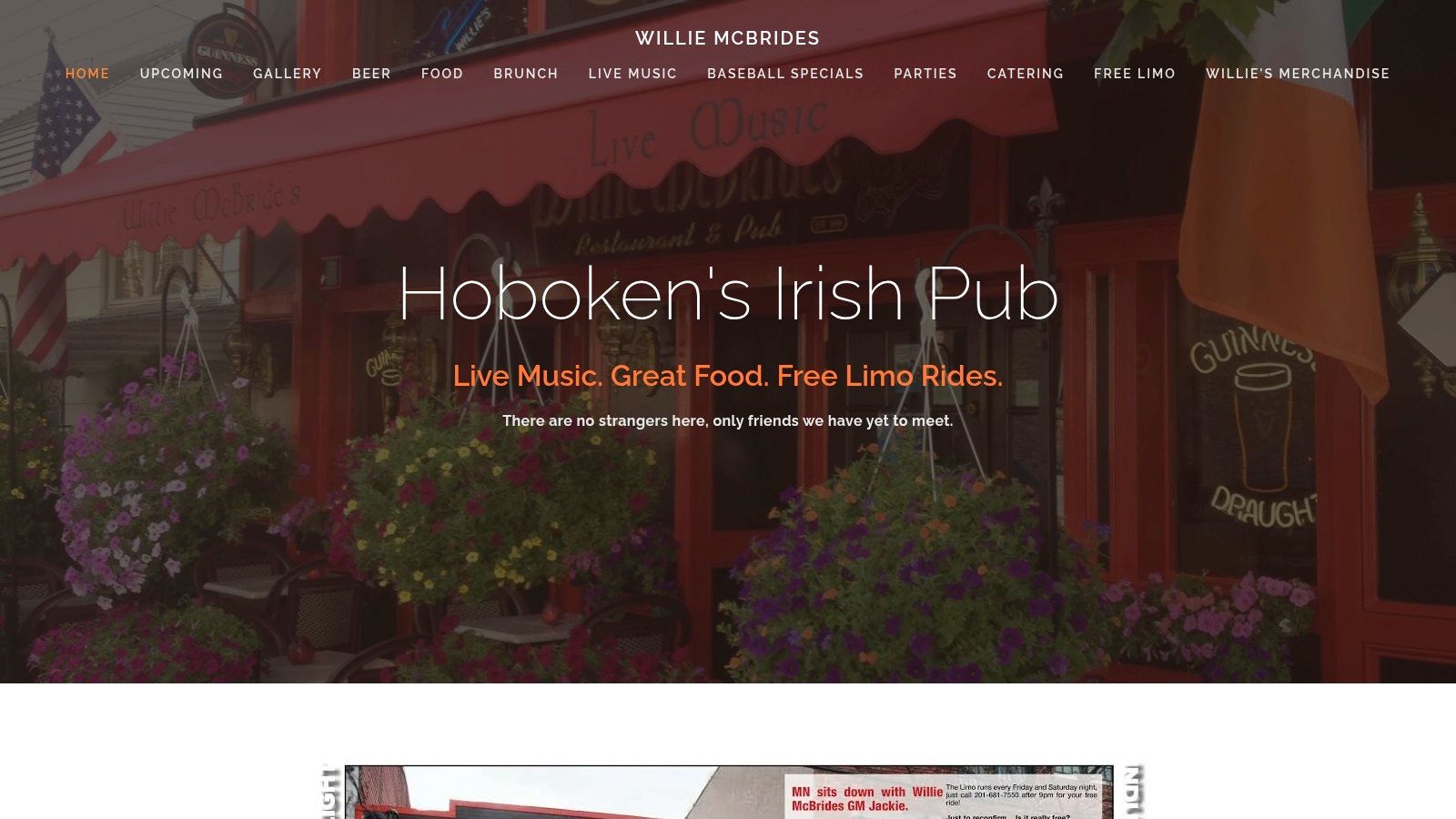
If you need dependable late-night band energy, Willie McBride’s is one of the easiest plays in Hoboken. It has the kind of room that gives creators what they need from a music venue: a real stage presence, a crowd that shows up for the music, and enough structure to plan around instead of guessing. For branded nightlife content, event recap reels, or host-on-location intros, that consistency matters.
The appeal here is scale. The back room, separate bar setup, and in-house sound support make it stronger for full-band visuals than smaller neighborhood spots. If you’re producing a nightlife segment, an audience reaction montage, or a quick artist check-in between sets, this room gives you movement and depth in the frame.
Best use for content capture
Willie McBride’s works best when your goal is high-energy coverage, not nuanced conversation. The crowd can get dense on peak nights, and start times can drift later than you’d want if your team is trying to keep a tight production schedule. That’s fine for B-roll. It’s less ideal for a clean sit-down interview.
Use it when you want:
- Crowd-filled vertical clips: Tight shots near the stage play well for reels and show promos.
- Private-event potential: The room setup can support a showcase, launch party, or recorded live segment.
- Predictable programming: Published calendars reduce wasted trips.
There’s a smart way to pair it with studio production. Capture your wide shots, crowd audio, and artist greetings on site. Then move the actual interview, commentary, and sponsor reads into a controlled environment. If you’re building a nightlife content series, Flexwork’s own creator’s guide to Hoboken events is a useful planning companion.
The trade-off is creative positioning. Willie McBride’s leans more cover-band and broad crowd appeal than niche indie discovery. If your brand voice is polished and mainstream-adjacent, that’s an advantage. If you’re chasing underground credibility, this won’t be your sharpest fit.
Visit Willie McBride’s Hoboken.
2. Finnegan’s Pub

Finnegan’s is where I’d point a creator who wants artist access more than spectacle. The room is smaller, the vibe is more neighborhood-driven, and the programming cadence makes it practical for recurring content. Live music runs multiple nights a week, with an open mic on Sundays and recurring songwriter nights, which gives you more chances to discover performers before everyone else catches on.
That earlier-evening profile is useful. You can record a host stand-up, catch a set, talk to a local artist, and still have enough night left to get back to the studio for pickups or rough cuts.
Where Finnegan’s outperforms bigger rooms
Bigger venues can make everyone look important. Smaller venues reveal who has something to say. Finnegan’s is better for relationship building, especially if your podcast covers local culture, independent music, or founder-style conversations with working artists.
The room isn’t flawless. When it fills up, it can feel cramped, and sound quality depends heavily on the act and the crowd. But that imperfection is also why it works on camera. It feels local, not staged.
Smaller venues often produce better conversations because artists aren’t in performance mode the entire night.
A few practical plays stand out:
- Open-mic scouting: Great for identifying future guests with personality, not just polish.
- Songwriter interviews: Better fit for intimate stories than loud performance recaps.
- Early-evening mini shoots: Easier to fit into a weeknight production plan.
If you’re trying to build a reliable local content calendar, pair Finnegan’s with a broader scan of what’s happening in Hoboken today. That combination helps you stack venue coverage with adjacent events, especially if you’re producing a city-based culture show.
For hoboken live music coverage with a local-first angle, Finnegan’s is one of the better rooms because it gives you repeat access, emerging talent, and a less overproduced atmosphere.
Visit Finnegan’s Pub Hoboken.
3. Dino & Harry’s Steakhouse
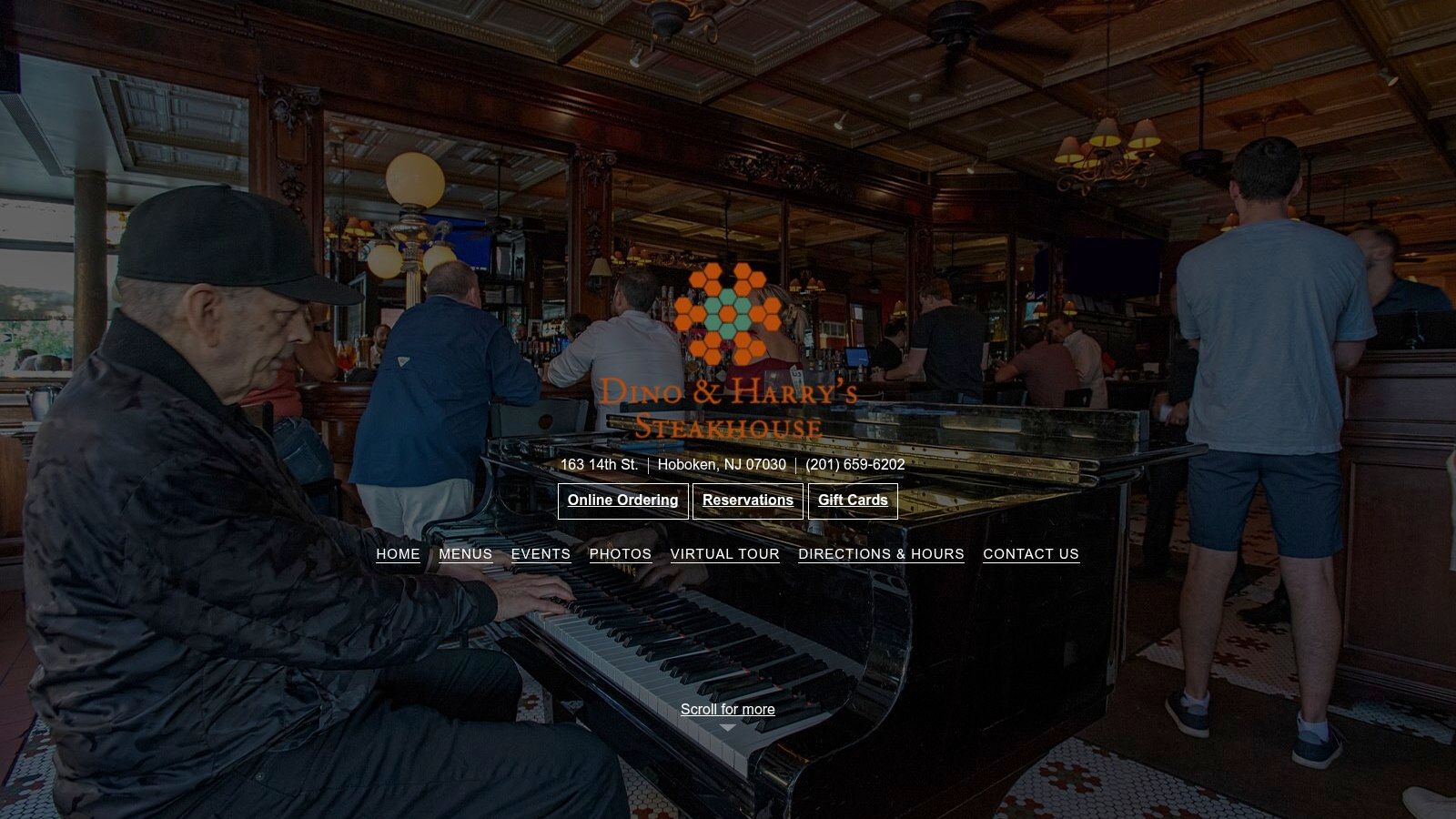
Not every live music setting should be treated like a concert venue. Dino & Harry’s is a reminder that some of the best creator footage comes from rooms where the music supports the atmosphere instead of dominating it. If your show lives at the intersection of business, hospitality, style, or culture, this one makes sense fast.
The old-school steakhouse setting changes your shot list. You’re not chasing stage chaos. You’re capturing mood, conversation, glassware, piano or jazz-adjacent ambiance, and a more upscale guest experience. For client-facing podcasts or premium brand series, that tone can be far more useful than a packed bar.
Best for refined interviews and brand-safe visuals
Dino & Harry’s works well when you need clean enough conditions to speak on camera without shouting. The music in the lounge and bar area usually supports seated listening and conversation, which is exactly what many hosts need for polished short-form clips.
I’d bring people to:
- A founder guest who doesn’t want a chaotic nightlife backdrop
- A sponsor segment tied to dining, luxury, or local business
- A co-host conversation that needs ambiance without losing clarity
The downside is obvious. This isn’t a standing-room concert scene, and it won’t give you the same kinetic audience footage as a more casual venue. It also sits at a higher price point, so it’s better reserved for content with a clear brand or client purpose.
Still, that restraint is the advantage. If your show’s visual identity is premium, Dino & Harry’s keeps the room from overpowering the message.
Visit Dino & Harry’s events page.
4. House of ‘Que
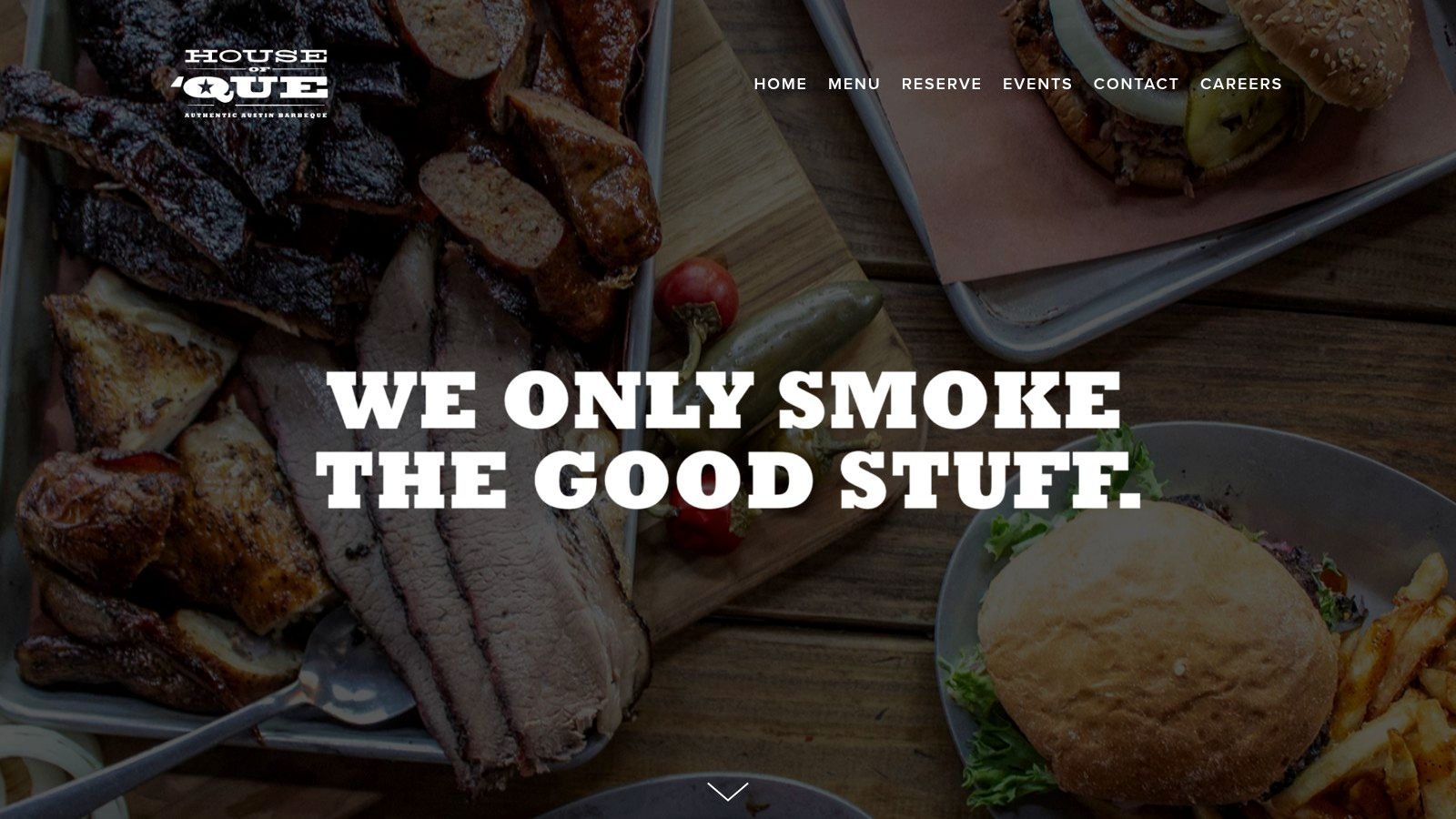
House of ‘Que is built for social content first and careful listening second. That’s not a criticism. It’s a creative use case. If you want a room with a group-friendly atmosphere, waterfront energy nearby, and reliable Friday live sets under its HOQ Weekends programming, it gives you a strong backdrop for audience-facing content.
This is one of the better picks for creators who need a casual performance environment with easy lifestyle framing. Food, friends, music, and movement all sit in the same visual lane. That helps if you’re filming content for brand partnerships, hospitality features, or local experience recaps.
Strong for group shoots, weaker for nuanced audio
House of ‘Que performs best when the output is visual and fast-moving. Think reels, teaser clips, event recaps, and talent drop-ins. It’s less effective for any setup where subtle vocal detail matters.
What I’d use it for:
- Panel-style social clips: Bring multiple guests, order food, capture reactions and candid moments.
- Friday content runs: Reliable live sets simplify pre-production.
- Country, Americana, and broad-appeal music tie-ins: The room naturally supports that tone.
What I wouldn’t use it for:
- Long-form seated interviews
- Quiet sponsor reads
- Anything that depends on pristine production audio on location
For a broader production map, it helps to cross-reference upcoming Hoboken events and nightlife ideas. That way you can build a full evening around one venue instead of forcing a single stop to do all the work.
House of ‘Que is a strong reminder that not every content venue has to be acoustically forgiving. Sometimes the venue’s job is to supply visual energy, and the studio’s job is to make the final piece sound expensive.
Visit House of ‘Que Hoboken.
5. The Hoboken Biergarten
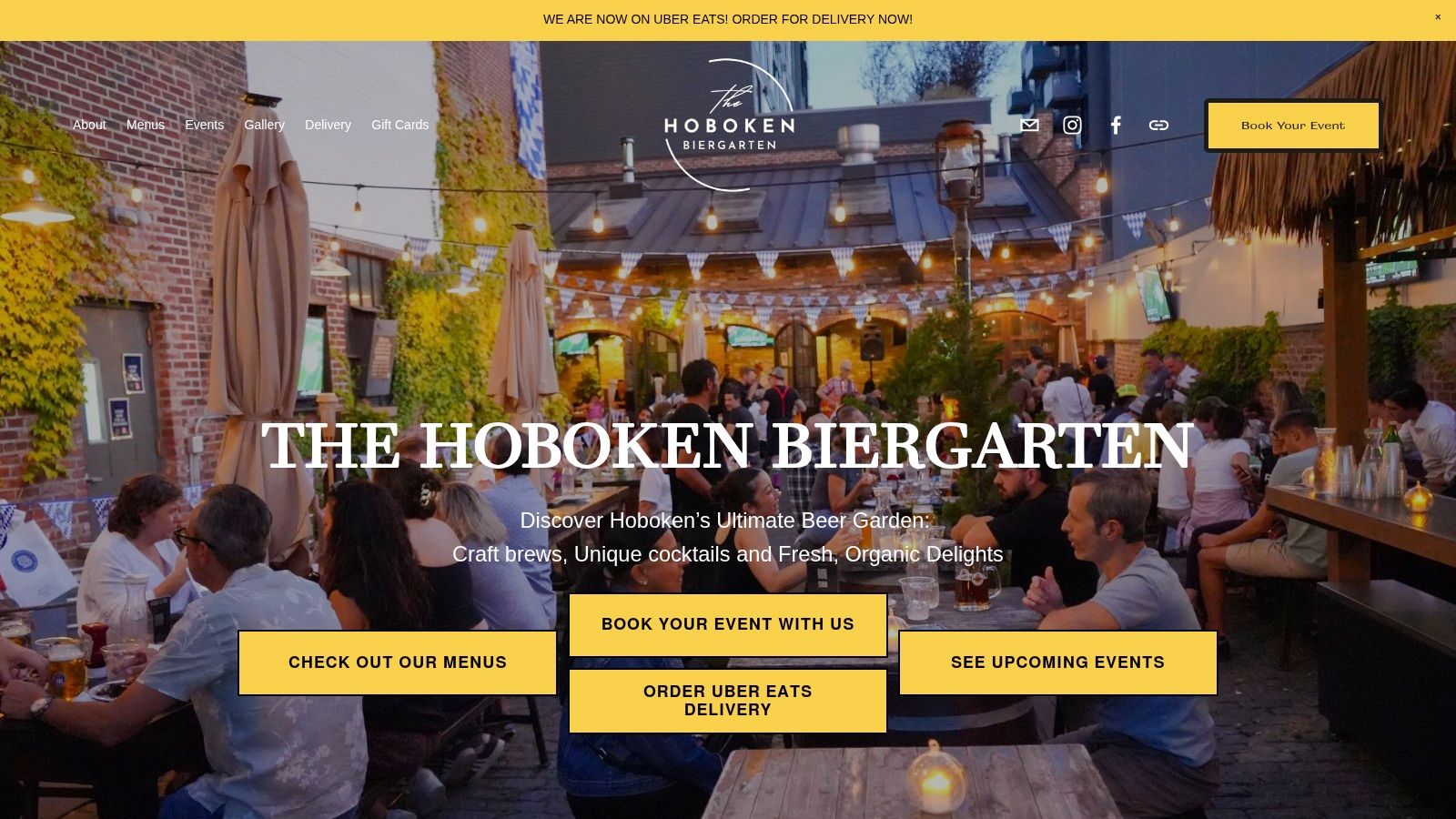
The Hoboken Biergarten is useful because it doesn’t force you into a single nightlife mode. You can treat it as a daytime meetup spot, a casual weekend music stop, or a larger social gathering with enough room to avoid the claustrophobia that hurts production flow in smaller bars.
For creators, that flexibility matters more than hype. Spacious layouts make gear movement easier, let you reframe quickly, and give your talent room to breathe before they’re on camera. If you’re trying to record a casual conversation before or after a set, that breathing room can be the difference between usable footage and a rushed mess.
Why the layout helps
Communal tables and a group-friendly floor plan make this venue better for collaborative shoots than it first appears. It’s a solid option for creator meetups, soft-launch events, or multi-guest hangs where the footage should feel social instead of tightly produced.
The trade-off is that lineup visibility can be closer to the date, and once the place is packed, sound carries. That means you should avoid promising clients a controlled dialogue environment.
Producer instinct: Spacious venues are underrated for content because they reduce friction. Less time fighting the room means more time capturing moments.
A few smart use cases:
- Casual meetup filming: Good for networking content and group recaps.
- Lifestyle-led B-roll: Drinks, communal seating, laughter, and live music all frame well.
- Event planning reconnaissance: Useful if you’re testing environments before a future branded activation.
If you’re still deciding whether a venue can support a private creator event or branded recording night, Flexwork’s modern guide to finding a Hoboken event space helps sharpen that evaluation process.
For hoboken live music content that needs room to breathe, The Hoboken Biergarten is one of the more practical choices.
Visit The Hoboken Biergarten.
6. Pier 13 Hoboken
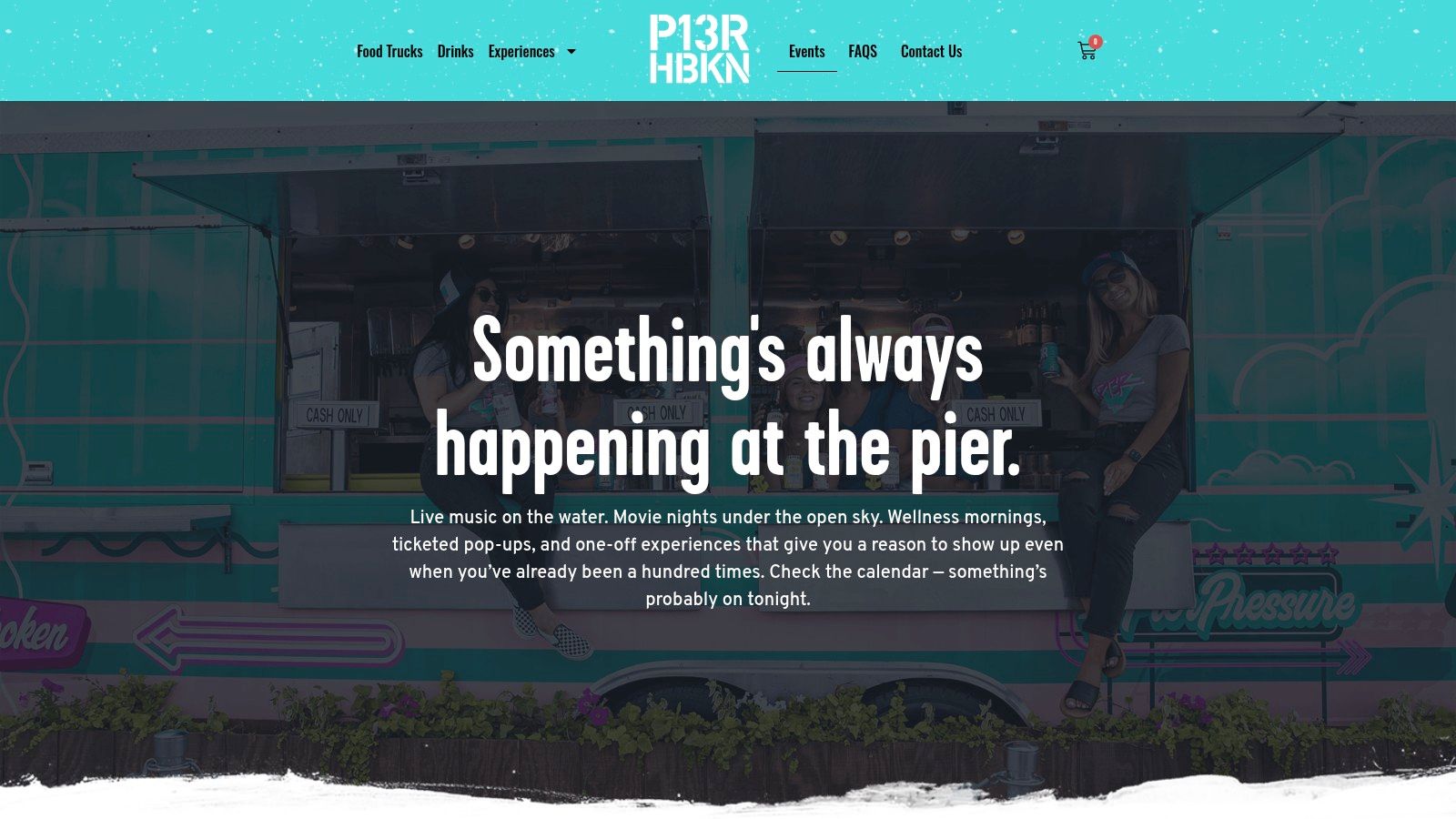
A host finishes a quick artist interview at golden hour, turns 20 feet, and gets skyline B-roll without changing locations. That is a key advantage at Pier 13. For creators building around hoboken live music, few spots give you as much usable visual material in one pass.
The setting does a lot of the production work for you. Open air, water views, food trucks, crowd movement, and a stage that reads clearly on camera make it well suited for teaser clips, cold opens, livestream cut-ins, and sponsor-friendly social edits. If the plan is to gather strong location footage first and shape the polished episode later at Flexwork, this venue fits that workflow well.
Best for visual capture, weaker for control
Pier 13 works best when the camera leads the brief. It is less reliable for anything that depends on clean dialogue, fixed timing, or a locked-down setup. Weather can force fast decisions. Busy nights limit where you can plant gear. Wind and crowd noise can turn a promising interview into backup footage.
That trade-off is manageable if you produce with intent. Record short on-site segments instead of full conversations. Capture ambient reactions, wide crowd shots, signage, waterfront movement, and artist arrivals. Then move the main interview, voiceover, or recap into a controlled studio session where audio, lighting, and pacing are easier to shape.
Use Pier 13 for:
- Summer artist teasers and short-form interview clips
- Episode intros that need instant location context
- Livestream audience check-ins and event-night reactions
- Food, music, and waterfront culture content that plays well on social
For teams planning a larger activation, Flexwork’s page on event space options in Hoboken NJ is a practical next step.
Pier 13 rewards fast crews, light kits, and a clear shot list. Treat it as your atmosphere engine, then finish the story in a studio.
Visit Pier 13 Hoboken events.
7. Schmitty’s
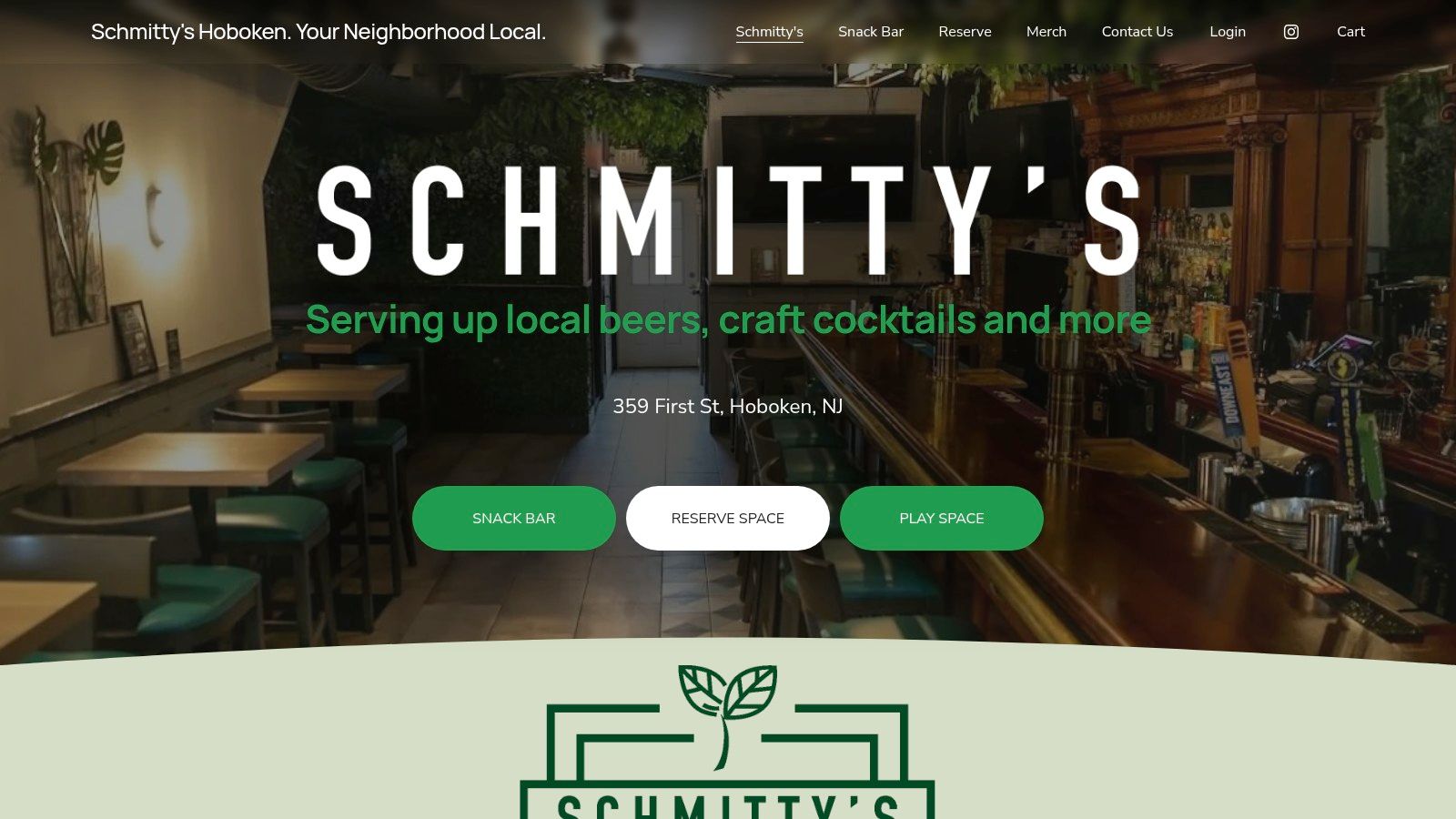
Schmitty’s is the low-friction option. Weekly Friday live music, a relaxed neighborhood feel, and a simpler in-and-out experience make it useful for creators who don’t need a big production footprint. Some nights that’s exactly the right move.
A lot of podcasters overreach on location. They chase the busiest room, bring too much gear, and end up with stressed guests and footage they can’t shape. Schmitty’s rewards the opposite approach. Travel light, capture a few clean environmental shots, record a short pre-show or post-show conversation, and leave before the room turns into an audio problem.
Good for recurring local coverage
Schmitty’s is stronger as a repeatable content stop than as a headline venue. You won’t get the same stage presence as a larger room, and it’s not built for large groups or full-band productions. But if your show needs neighborhood credibility, local musician touchpoints, or a softer live-music backdrop, it earns its place.
This kind of venue is especially helpful when your format includes:
- Short artist spotlights
- Local roundup segments
- Community-driven culture coverage
- Low-profile filming that doesn’t interrupt the room
There’s also a broader strategic point. Hoboken’s live music identity has long been tied to venue density, genre range, and its legacy as a serious cultural market in the NY/NJ orbit, with roots extending across more than 150 years of continuous music history as noted earlier in the museum record. Smaller bars like Schmitty’s matter because they keep that ecosystem human.
If your brand needs big nights, choose bigger rooms. If your brand needs consistency and access, Schmitty’s can outperform flashier spots.
Visit Schmitty’s Hoboken.
Hoboken Live Music: 7-Venue Comparison
| Venue | Implementation complexity | Resource requirements | Expected outcomes | Ideal use cases | Key advantages |
|---|---|---|---|---|---|
| Willie McBride’s | Medium–High (full-band logistics, private bookings) | On-site stage/PA, multi-camera for bands, separate audio capture recommended, coordination with management | High-energy live footage, large-crowd B-roll, ticketed event recordings | Late-night band showcases, EP release parties, live tapings | Consistent programming, big capacity, dedicated stage/PA |
| Finnegan’s Pub | Low–Medium (intimate setup, frequent shows) | Single-camera or small crew, shotgun mic or lavs, obtain performer consent | Intimate performance clips, artist-discovery segments, interviews | Open-mic scouting, songwriter features, early-evening showcases | Reliable weekly cadence, earlier start times, supportive of local artists |
| Dino & Harry’s Steakhouse | Low (discreet, seated environment) | Small mirrorless camera or smartphone gimbal, ambient mics, unobtrusive lighting | Sophisticated B-roll, ambient audio beds, lifestyle segments | Date-night lifestyle pieces, client-entertainment content, polished B-roll | Elevated atmosphere, conversation-friendly volume, upscale service |
| House of ‘Que | Medium (group logistics, outdoor-adjacent power needs) | Battery packs, small crew for interviews, coordination with management for space | Casual, social footage, group meetup content, waterfront B-roll | Community meetups, group-driven content days, Americana/covers features | Reliable Friday sets, group-friendly menu, waterfront setting |
| The Hoboken Biergarten | High (large space, live-audience production) | Own PA or rental, lavaliers for hosts, multi-mic strategy, event coordination | Scalable live-event recordings, audience Q&A, daytime & weekend coverage | Live audience podcasts, large meetups, communal events | Ample space, flexible daytime/weekend sets, group-friendly layout |
| Pier 13 Hoboken | High (seasonal, weather and permit constraints) | Professional lavs, wind protection, backup power, test cellular for streaming | Visually striking content, skyline B-roll, montage-driven pieces | Brand videos, trailers, summer concerts, sunset shoots | Unique waterfront views, strong visual production value, often free entry |
| Schmitty’s | Low (small, neighborhood setup) | One-person kit, small LED panel, extension cords, discreet audio | Authentic local-artist profiles, intimate performance clips | Hidden-gem musician features, short-form local culture pieces | Relaxed, community vibe, consistent Friday nights, easy in/out |
From Live Venue to Polished Episode Complete Your Workflow
The venue is only half the story. The raw energy of hoboken live music can give you artist access, audience texture, stronger local relevance, and visuals that instantly feel more alive than another static in-studio monologue. But none of that matters if the content dies in your camera roll because the audio is rough, the footage is disorganized, or nobody on your team has time to turn clips into actual assets.
That’s where Flexwork becomes more than a studio rental. It becomes the finishing layer that makes location content publishable. A good field shoot gives you ingredients. A serious post-production workflow turns those ingredients into an episode, a trailer, a batch of reels, and a branded library you can keep reusing.
For creators who already know what they want to record, the most efficient move is often to split the process in two parts. Capture the atmosphere in Hoboken. Then bring the story back into a controlled environment for cleanup, structure, and polish. That’s where a package like Be My Podcast Producer makes practical sense. You’re handing off the parts that usually stall creators out: audio mixing, video editing, color correction, and the finishing work that separates “we shot something” from “we launched something.”
If your ambition is bigger than a single episode, Flexwork’s Market, Manage & Produce My Podcast service gives you a full growth system, starting at $1500 per episode with a 20-episode growth commitment. That’s the right lane for founders, agencies, and hosts who want a repeatable engine instead of a one-off production sprint. If you’re building a more visual campaign around your show, the Content Day offer at $3000/day gives you a high-output structure with 20 edited reels or 60 pro photos. And if discoverability is the problem, a podcast website starts at $5000 plus hosting.
The strongest creators in this market don’t choose between field energy and studio quality. They use both. They gather footage where the city feels alive, then finish it where the sound, lighting, and edit can support the brand.
For music-adjacent creators thinking beyond performance footage, this primer on music publishing and royalties is also worth reviewing.
Flexwork Podcast Studios is built for creators who want more than decent content. If you’re ready to turn Hoboken live music into polished interviews, branded reels, livestream assets, and full episodes, book a free tour at Flexwork Podcast Studios and build a workflow that effectively scales.