
Your 2026 Guide to the Antique Hoboken Menu
 April 15, 202622 Minutes
Meta description: Turn the antique hoboken menu into a month of premium social content with a creator-focused guide to Antique Bar & Bakery in Hoboken.
URL slug: /antique-hoboken-menu
If your content calendar feels polished but predictable, the fix usually isn’t another studio backdrop. It’s a location with built-in story.
That’s why the antique hoboken menu is more useful to creators than it first appears. Antique Bar & Bakery isn’t just a place to eat in Hoboken. It’s a heritage setting, a visual environment, and a conversation starter that can support food content, founder-brand storytelling, short-form video, and podcast companion clips in the same outing.
For creators in New Jersey and the wider metro area, the smartest move is often to pair controlled studio production with one grounded, real-world experience. Done well, one afternoon at a place with texture, history, and recognizable dishes can become a month of premium posts, reels, and behind-the-brand assets.
Your Next Great Content Idea Is Outside the Studio
A lot of podcasters hit the same wall. The audio is good, the guest lineup is solid, the set looks clean, and yet the brand still feels flat.
That usually happens because audiences don’t only follow a show. They follow taste, point of view, and lifestyle. They want to know where you go, what you notice, and how you frame ordinary moments with intention.
Antique Bar & Bakery gives you that raw material. The room has character. The menu gives you natural talking points. The location lets you create content that feels less staged without looking careless. If you host interviews, run a business podcast, or build a personal brand, that matters.
A strong creator workflow often includes both studio assets and location footage. One records the message. The other proves the world around the message. If you also need a polished place to host an event, workshop, or branded meetup nearby, this Hoboken event space option fits neatly into that wider content ecosystem.
The best lifestyle content doesn’t interrupt your brand. It deepens it.
The Content Challenge for Modern Creatives
Most creators don’t struggle with ideas. They struggle with repeatable execution.

You record the episode. Then you need clips. Then you need cover art, promo posts, stories, email assets, and something personal enough to keep your feed from feeling like a billboard. That’s where many ambitious podcasters start posting random phone footage and calling it authenticity.
The problem isn’t casual content itself. The problem is unframed content. Audiences can tell when something is spontaneous and strong, versus rushed and forgettable.
Why lifestyle content matters now
A studio episode builds credibility. Lifestyle footage builds proximity.
When people see how you move through a place, order a meal, notice design details, or connect a local story to your own brand, they get a fuller read on who you are. That makes your content feel inhabited rather than manufactured.
This is especially useful for:
- Podcast hosts who want their audience to connect with the person behind the mic
- Founders and consultants who need authority without sounding over-rehearsed
- Creators with premium offers who need their visual identity to match their pricing
That only works if the story is intentional. A meal by itself isn’t content. A perspective on the meal is.
What breaks most DIY restaurant content
Three things usually lower the ceiling fast:
No shot plan
Creators capture the table, the glass, the entrée, then realize nothing fits a narrative arc.No brand filter
The footage could belong to anyone. There’s no host voice, no angle, no reason for the audience to care.No post-production system
Great raw footage dies in the camera roll when there’s no pipeline for editing and publishing.
If your audience experience feels inconsistent, revisit your storytelling system. This guide on creating compelling content that captivates your audience is a useful lens for tightening the narrative before you ever hit record.
Your Content Day Solution From Studio to Storytelling
A smart creator doesn’t try to make every shoot day do one thing. The best ones build a content stack.
That means one day captures multiple asset types at once. Studio clips for authority. Location footage for warmth. Portraits for brand presence. Detail shots for visual texture. Restaurant scenes for social proof and personality.
A full Content Day works because it turns scattered effort into a planned production cycle. The offer is simple and concrete: $3000 per day, with 20 edited reels or 60 professional photos. That’s not a vague “content shoot.” It’s a batch-creation system built for creators who need output they can effectively use.
You can review the format on the Content Day for podcasters page.
Why Antique works inside that system
Antique gives you more than food shots. It gives you layers.
- Environment footage with old-world texture
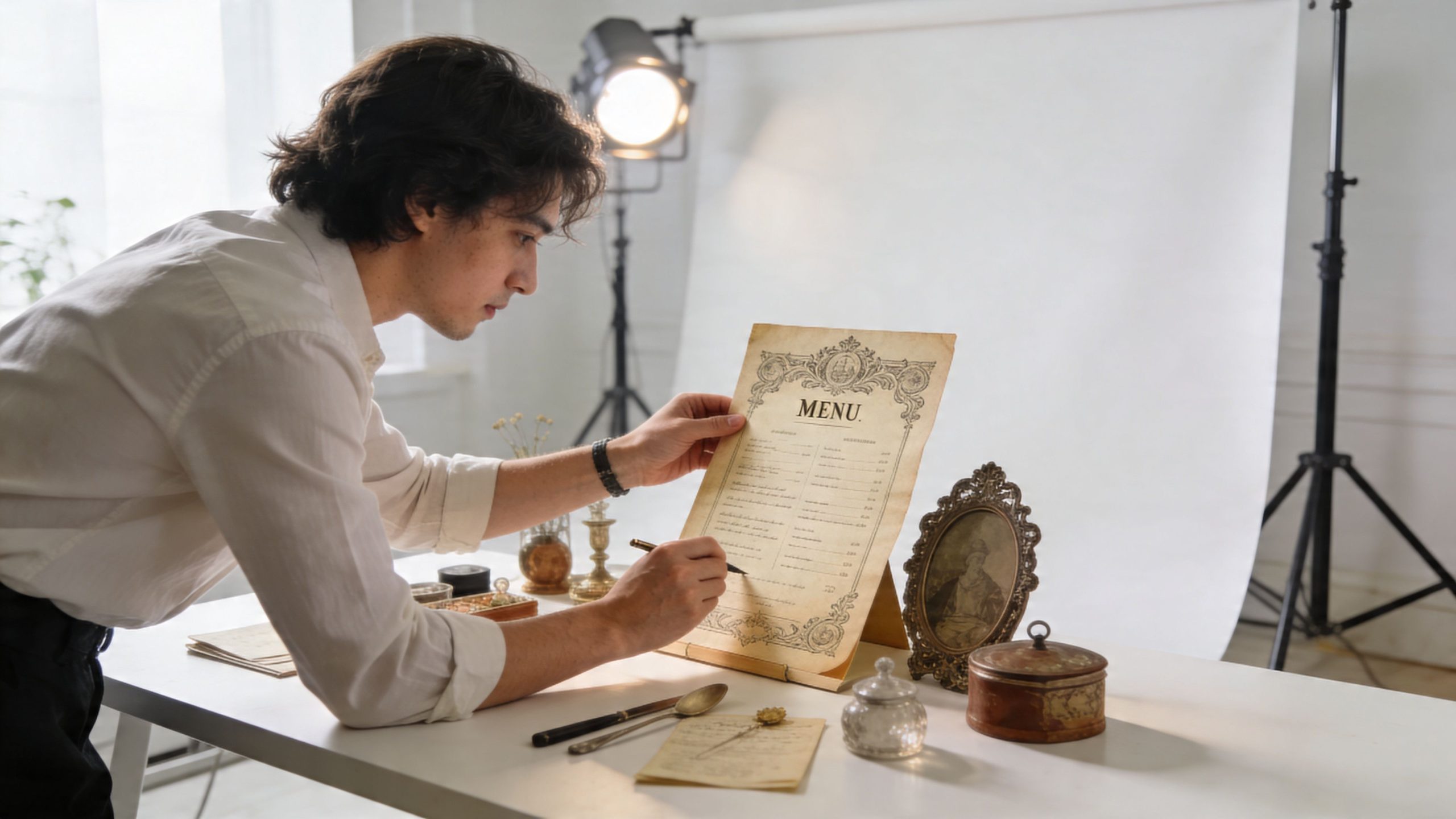
- Menu interaction for hands-in-frame content
- Dining moments that humanize a polished brand
- Neighborhood context that makes your content feel lived in
That combination is difficult to fake on a blank set.
What a strong shoot day can produce
A single well-planned location block can feed several content lanes:
| Asset type | Best use |
|---|---|
| Short vertical reel | “Founder off-duty” or “best Hoboken lunch stop” |
| Talking clip | Micro commentary on branding, hospitality, or taste |
| Photo carousel | Personal brand content with visual depth |
| B-roll pack | Future intros, transitions, and trailer edits |
| Podcast companion post | Extend the theme of a recent episode |
Production rule: Don’t shoot a restaurant visit as a memory. Shoot it as a library.
What works and what doesn’t
What works is pairing the outing with a theme. For example, “heritage brands that still feel current” is stronger than “come eat with me.”
What doesn’t work is showing up with no structure and hoping the place does the storytelling for you. Locations can improve weak planning, but they can’t replace it.
A Creator's Guide to the Antique Hoboken Menu
You walk into Antique with a camera plan, a posting calendar, and one hour to get assets that still feel premium two weeks from now. The menu decides whether you leave with generic food coverage or a full month of brand content.
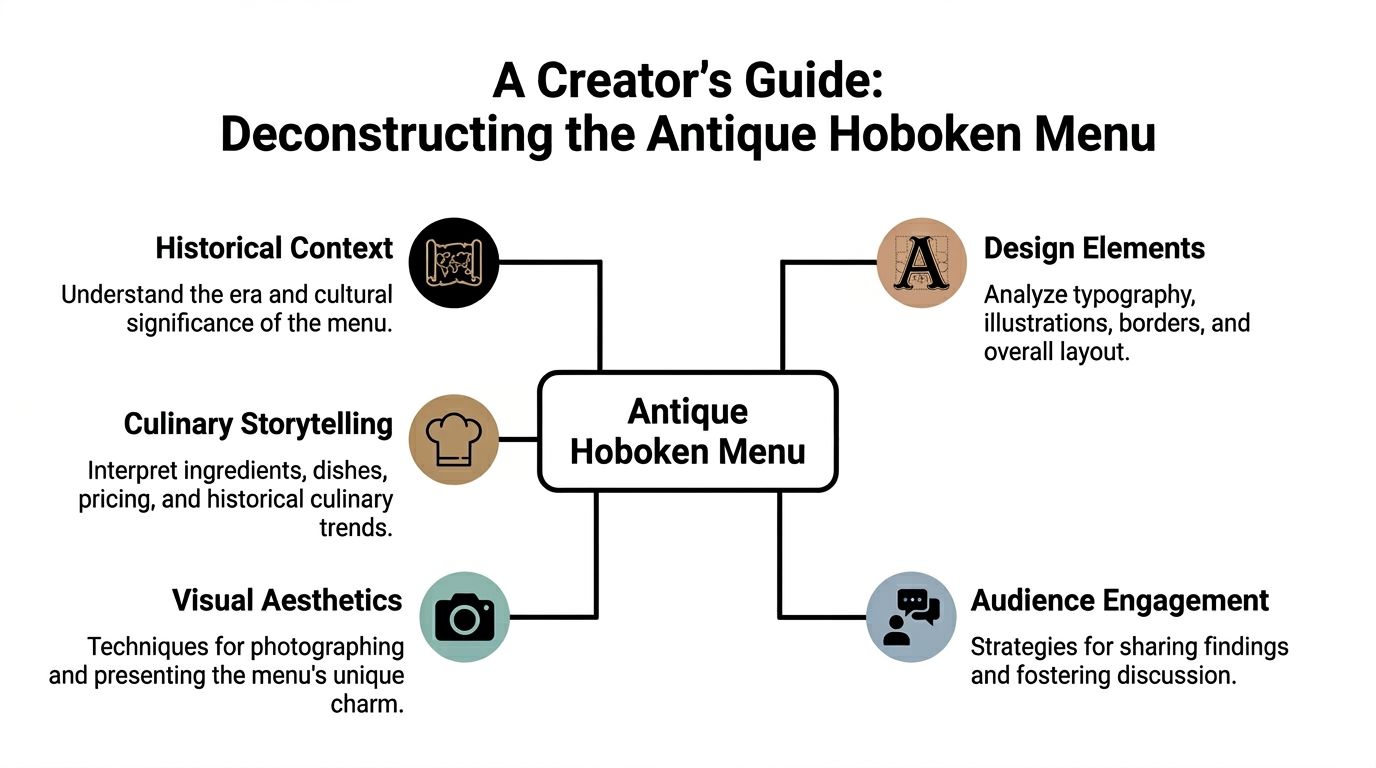
That is the right way to approach the antique hoboken menu. Treat it like a shot list with editorial purpose.
At Flexwork Studios, we plan restaurant shoots around story roles, not just dishes. One item earns the opening frame. One carries the main visual payoff. One gives you a practical opinion your audience can use. That structure turns a casual meal into content with replay value.
Start with the heritage asset
Antique has one advantage that immediately separates it from trend-driven food spots. The room and the menu are tied to a real production story.
The bakery's coal oven and old-school baking identity give you a clear angle if your brand talks about craft, consistency, or why older methods still hold attention. That matters because heritage only works on camera when it connects to a present-day outcome. Better crust. Stronger texture. More character in the final plate.
Use that as your voiceover spine. A smart creator does not just show a dish. They explain why this place produces a different result and why that difference deserves a spot in the feed.
Premium content starts when the setting supports the opinion.
Build your order around three content jobs
The opener
Your first item should create motion and anticipation. Go for something with visible texture, contrast, or table interaction. You want steam, crust, a pull-apart moment, or a clean fork shot.
This is your scroll-stopper.
If the opening clip is flat, the rest of the sequence has to work too hard.
The hero plate
Your main dish should earn the center frame and the strongest line of commentary. Good hero plates usually give you scale, structure, and a clear point of view. A steak sandwich, burger, or another substantial plate tends to perform better than something visually timid because it reads quickly on mobile.
There is a trade-off here. The most photogenic item is not always the most useful one for your audience. If your brand is built on discernment, choose the plate that lets you say something specific about value, portion, texture, or execution.
The value lens
This approach enables creators to outperform standard food posts. Instead of stopping at "worth it" or "overrated," frame the meal around context your audience cares about.
Ask sharper questions:
- Is this best used for a client lunch, date-night content, or a solo reset between recording blocks?
- Does the setting carry enough atmosphere to justify the spend?
- Is the premium in the food itself, the heritage of the place, or the overall experience?
Weekend demand in Hoboken can slow down timing, so build that into your shoot plan if you need clean coverage and quick table turns. That kind of practical note builds trust faster than exaggerated praise.
Turn one meal into a content package
A strong Antique visit can cover more than one post if you assign each menu moment a format. The opener becomes a Reel. The hero plate becomes a carousel lead image. The value take becomes a talking clip. Your caption then carries the editorial point, and these food captions for Instagram can help if you need sharper phrasing without sounding canned.
That is the bigger opportunity here. Antique is not just a place to eat. It is a story-rich location you can use to batch founder content, hospitality commentary, neighborhood lifestyle posts, and podcast companion assets in one session.
If you want the restaurant segment to pair with a more controlled branded setup later that day, this Hoboken private event space for creator shoots and small productions gives you a clean second location for interviews, pickups, or sponsor reads.
How to Capture Compelling Content in a Restaurant
You walk into Antique with a podcast episode to promote, a founder story to sharpen, and 45 minutes before your next commitment. If you treat the meal like filler, you leave with random clips. If you treat it like a planned content set, you can leave with a Reel, a carousel, two Stories, and a short talking segment that still feels personal.
That is the standard we use at Flexwork Studios. A restaurant shoot should produce usable brand assets, not just proof that you went out.

Shoot the room before the plate
Creators often make the same mistake. They start filming the food the second it lands, before they have any context shots to support the edit.
Get the setting first. Capture the exterior, the entry, the menu in hand, the table texture, the glassware, and one composed wide shot that places you in the room. Then move into the action.
A restaurant sequence usually works best in this order:
- Wide scene that establishes the environment
- Medium interaction shot of ordering, pouring, slicing, or reacting
- Detail close-up that captures texture, steam, crust, or garnish
- Short spoken takeaway after the visual story is already built
That sequence gives you options in post. It also keeps your final edit from feeling like a stack of disconnected food clips.
Respect the room and build around the constraints
Live restaurants reward restraint. Staff are moving fast, tables turn quickly, and neighboring guests did not agree to be extras in your brand shoot.
Keep the footprint small. A phone, a compact camera, one lens, and clean audio discipline usually beat a larger setup that slows service and draws attention. If you are producing this yourself, choose angles that look intentional without forcing resets. If you have a team, assign one person to capture and one person to watch timing, spacing, and staff flow.
Antique gives you a few smart angles to work with. The pace can shift on busy days, so cleaner coverage often comes from a more deliberate time slot. The pickup format also opens a different content path. You can film the handoff, then take the food back to the car, office, or studio for a more controlled commentary segment. That trade-off matters. You lose some dining-room atmosphere, but you gain control over sound, framing, and pacing.
Use light with intention
Good restaurant footage usually comes from position, not equipment.
Sit where the light falls across the plate instead of straight down onto it. Rotate the dish until texture shows up. Remove receipts, sauce cups, and anything else that steals attention from the frame. Record a few seconds of natural room sound if you want the edit to feel more cinematic and less clipped.
If you want stronger fundamentals before your next shoot, review this guide to the best lighting for video recording.
One more practical point. Write the caption after you know what the clip is conveying. If the post is about atmosphere, lead with atmosphere. If it is about taste, value, or founder lifestyle, write to that angle directly. These food captions for Instagram can help you avoid generic lines that make premium footage feel ordinary.
This breakdown is worth watching before your next dining shoot:
Elevate Your Brand Beyond the Microphone
The creators who stand out don’t only sound polished. They look situated in a world.
That’s the bigger lesson behind using a place like Antique well. A restaurant visit can become proof of taste, discernment, and perspective when you shape it correctly. It stops being filler content and starts acting like brand design.
This matters even more if you sell premium services, host thoughtful interviews, or want your audience to associate your name with a certain level of curation. The standard is no longer “post consistently.” The standard is “post with identity.”
Treat every real-world touchpoint like branding
Food brands understand this instinctively. Packaging, presentation, and environment all influence how the product is perceived before the first bite. The same principle applies to your content. This overview of Food Packaging Branding is useful because it shows how presentation shapes value before anyone experiences the core offer.
Your audience forms an opinion before they ever press play on the full episode.
A meal in Hoboken won’t build a serious brand on its own. But a repeated pattern of high-taste, well-shot, well-framed moments absolutely can. That’s how creators move from “I have a podcast” to “I have a presence.”
Quick Answers About Antique Bar & Bakery
Where is Antique Bar & Bakery?
Antique Bar & Bakery is in Hoboken, New Jersey.
Where should I check the current menu?
The best move is to check the restaurant’s official website before you go. Menus evolve, and timely specials can become part of the content angle.
Does the menu have recognizable signature items?
Yes. The brand story strongly centers on its coal-oven heritage and bread legacy, and current pricing listed online includes the Rib-Eye Burger and Filet Steak Sandwich.
Should creators plan around crowds?
Yes. Weekend demand can make filming less comfortable if you want clean visuals and calmer audio. A quieter visit usually gives you more control and less pressure.
Is it useful even if you’re not making food content?
Absolutely. This location works for founder lifestyle content, local brand storytelling, date-night framing, and behind-the-scenes footage that adds warmth to a business or podcast brand.
What’s the best mindset for a visit?
Go in with a shot list, a point of view, and one clear story angle. Don’t try to capture everything. Capture what supports your brand.
If you’re ready to turn one smart shoot into weeks of polished content, book a session with Flexwork Podcast Studios. Their team can help you pair studio footage with lifestyle storytelling, produce short-form assets that match your brand, and build a sharper content system around the stories you’re already living.